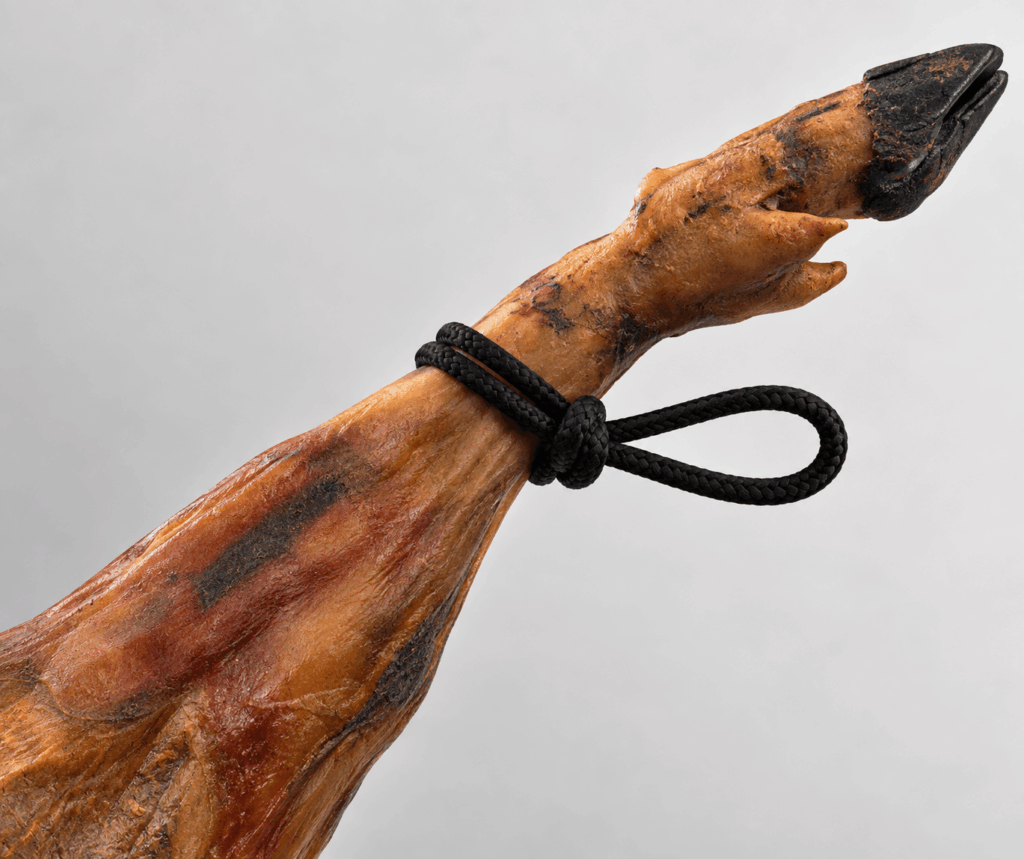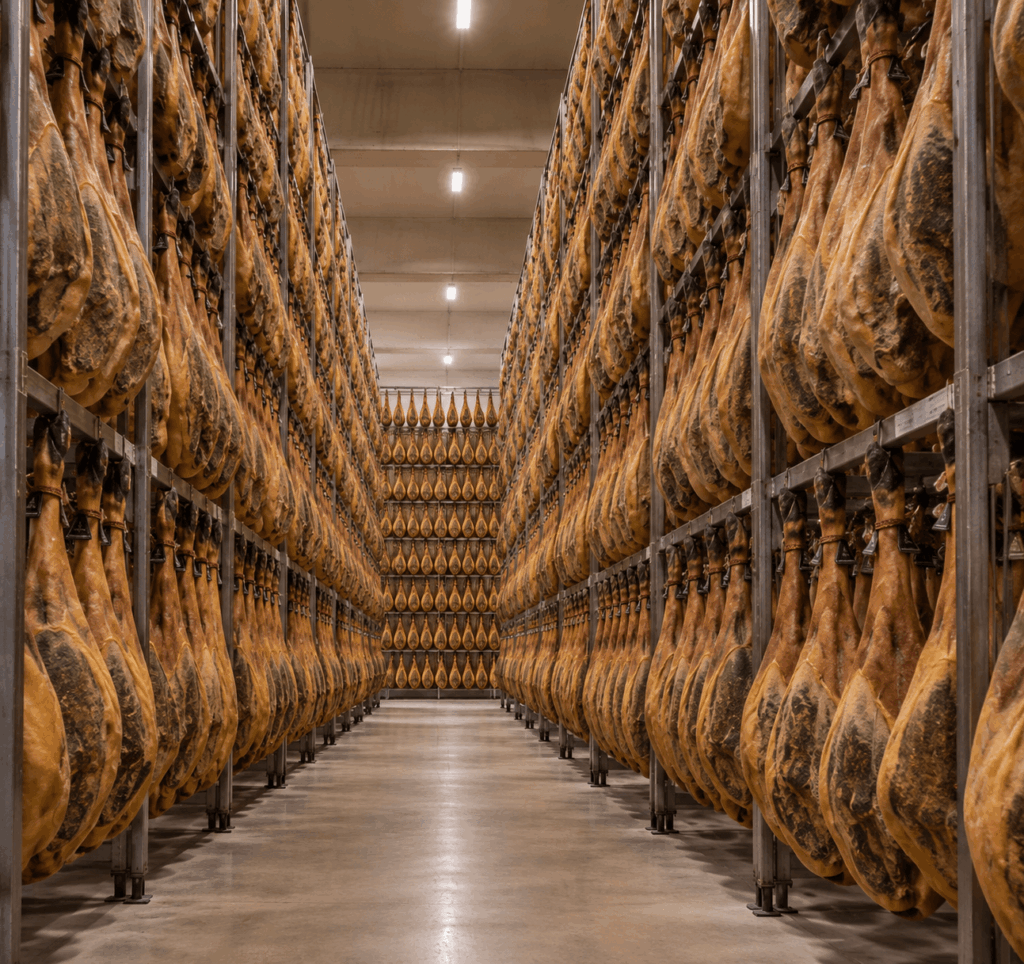
Ham cord is a solution used at different stages of the meat industry, from work in slaughterhouses and cutting rooms to the production and curing process in curing rooms.
Depending on the application, different materials, diameters, finishes and strength levels can be used. One of the available options is polypropylene, a light and strong material that allows cords to be made to suit different industrial needs.
In the ham industry, choosing the right cord is important because it must suit the conditions of each stage of the process. The needs of a slaughterhouse or cutting room are not the same as those of a ham curing room.
Cord for slaughterhouses and cutting rooms
Slaughterhouses and cutting rooms are the first stages in the processing and preparation of meat products. A range of handling operations take place in these environments, requiring materials that are strong and suitable for industrial work.
Cord can be used in certain applications related to the securing and handling of meat cuts, always in line with the specific characteristics and requirements of each process.
In these facilities, it is particularly important that the product offers adequate strength and makes routine handling operations easier. Diameter, flexibility and finish may vary depending on the type of cut, the securing system and the working conditions.
In cutting rooms, where cuts are handled and prepared for further processing or distribution, cord can be part of specific solutions for securing and handling hams and other products from the cutting process.
For this reason, the cord should be chosen taking into account the specific use it will have within the facility and the demands it will have to withstand.
Cord for ham curing rooms
One of the most typical applications of cord in the ham industry is found in curing rooms.
During the curing process, hams remain hanging for long periods of time. The hanging system must keep the pieces correctly in place throughout the process.
At this stage, the cord must offer adequate strength to support the weight of the pieces and the conditions of the curing process.
For this reason, its design and the choice of its characteristics are important. Diameter, strength and finish may vary depending on the hanging system used and the needs of each curing room.
What characteristics should a ham cord have?
Not all cords are the same. For use in the ham industry, it is necessary to assess the characteristics the product must have according to the process in which it will be used.
Aspects worth considering include:
- Strength: it must be sufficient to withstand the loads and stresses of the application.
- Diameter: it must suit the securing system and the type of piece.
- Flexibility: it makes handling and placement easier.
- Finish: it can affect the way the cord is used.
- Material: there are different options depending on the intended use.
- Application: the product’s characteristics must suit the specific conditions of the process.
Especially when the cord is used in processes directly related to meat products, it is essential to know the conditions of use and select a product suitable for that application.
A cord adapted to each application
One of the advantages of having different types of cord is the ability to adapt the product to the needs of each stage.
In a slaughterhouse or cutting room, certain characteristics related to handling and securing the pieces may be important.
In a ham curing room, aspects such as strength and the cord’s ability to keep the pieces properly suspended throughout the curing process become especially important.
The material can also influence the final characteristics of the product. Polypropylene, for example, allows light and strong cords to be made, available in different thicknesses and characteristics depending on the application.
However, the choice should not be based on the material alone. Diameter, strength, flexibility, finish and, above all, the use the product will have must also be considered.
That is why, before selecting a cord, it is advisable to analyse at what stage it will be used, how much weight it will have to bear and what the working conditions will be.
Regulations and safety in the meat industry
When a cord is used in processes related to food products, the requirements applicable to its application must be taken into account.
European legislation sets out requirements for materials and articles intended to come into contact with food. Key reference regulations include Regulation (EC) No 1935/2004 and, for plastic materials, Regulation (EU) No 10/2011.
However, a product’s suitability should not be determined solely by the material it is made of. The specific product, its composition, manufacture and intended use must all be assessed.
For this reason, before introducing a particular cord into a production process, it is advisable to check that its characteristics and documentation are suitable for the intended use.
Choosing the right cord for ham
Choosing the right cord depends on the characteristics of each process. A curing room that needs to keep hundreds of hams suspended for a long period will have different needs from those of a cutting room.
That is why, as well as choosing the material, it is necessary to determine what diameter, strength and characteristics the cord needs.
At Vivocord we manufacture cords for different applications within the meat industry, working with different materials and characteristics to adapt to the needs of each customer.
Once cured hams are ready to go on sale, the cord becomes an important part of the packaging, and more and more companies are looking for a specific type of cord that matches their brand image, label or band, or even to distinguish one type of ham from another.
If you need a ham cord, whether for a slaughterhouse, a cutting room or a curing room, it is important to define the specific conditions of use in order to find the most suitable solution.